
Subtotal
$0.00
Climate Change Is Driving Design Decisions
Climate change is no longer an abstract issue—it’s directly shaping the way we build, decorate, and live in our homes. In 2025, eco-conscious architecture and sustainable design practices have moved from the fringes to the mainstream. According to Cantifix’s 2025 Architecture Trends Report, the industry is witnessing a powerful convergence between environmental responsibility and luxury living. Homeowners are looking beyond aesthetics, focusing on how their spaces can minimize environmental impact, adapt to changing conditions, and offer long-term value.
This intersection of sustainability and luxury represents a fundamental shift in mindset. No longer is “green design” seen as an alternative or compromise—it’s now a marker of sophistication. Whether through cutting-edge smart systems or the revival of traditional building techniques like PassivHaus principles, sustainable architecture is redefining comfort and status. Homes are becoming future-proof sanctuaries that combine environmental stewardship with elegance and innovation.
Green Building Trends: From Circular Design to Energy Positivity
Sustainable architecture in 2025 is defined by design strategies that reduce carbon footprints, extend building lifespans, and maximize efficiency without sacrificing beauty. One of the most significant trends is the mainstream adoption of PassivHaus principles, which focus on airtight construction, superior insulation, and heat recovery ventilation. As Livingetc highlights, these techniques create homes that maintain stable temperatures year-round while drastically cutting energy use.
Meanwhile, adaptive reuse and circular design are reshaping how buildings are conceived. Instead of demolishing and starting anew, architects are transforming existing structures into vibrant modern spaces. Metalcon’s circular design trends emphasize the reuse of materials and components, reducing waste and preserving embodied carbon. This not only benefits the environment but also lends each home a distinctive sense of history and character.
The materials palette is also evolving. Hemp, bamboo, and thermally modified wood are becoming sought-after alternatives to concrete and steel. Thermory points to the environmental benefits of using responsibly sourced, chemically untreated wood products—materials that are both durable and visually stunning. At the same time, energy-positive homes—structures that produce more energy than they consume—are emerging as the pinnacle of green luxury. By combining solar technology, advanced insulation, and smart systems, these homes offer self-sufficiency and long-term savings while maintaining a sleek architectural aesthetic.
Sustainable Interior Design: Conscious Choices for Everyday Living
Eco-consciousness doesn’t stop at the exterior. Inside, sustainable interior design is transforming everyday living spaces into thoughtful, responsible environments. One defining shift is the embrace of vintage and secondhand furniture, now seen as a status symbol rather than a budget choice. Thoughtfully restored mid-century chairs, antique cabinets, and handcrafted tables add character while reducing waste, aligning with both minimalist and maximalist aesthetics.
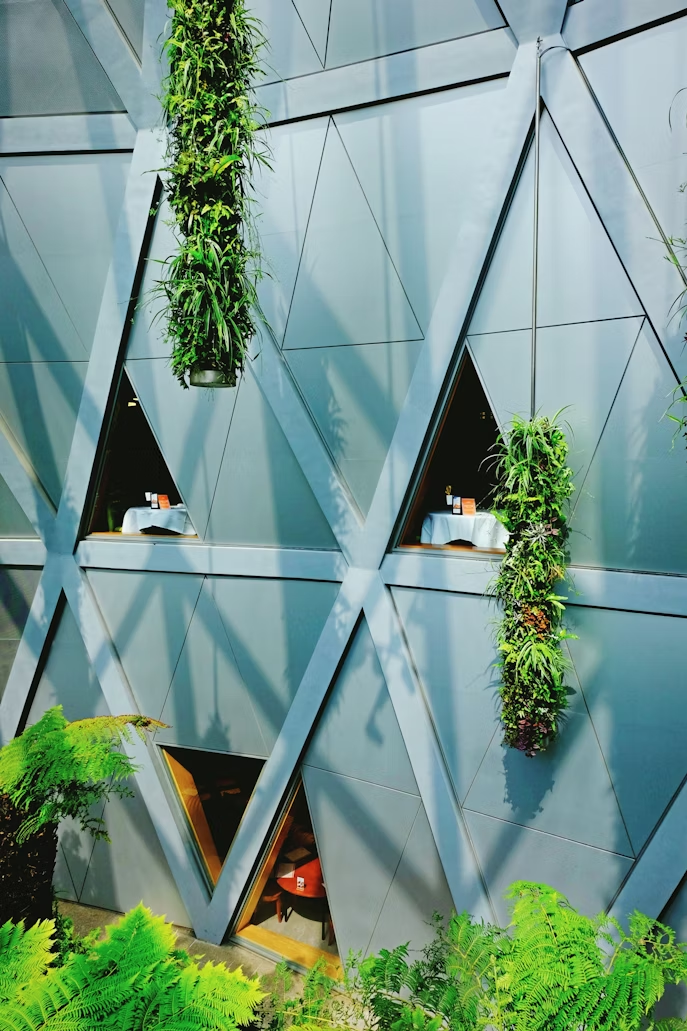
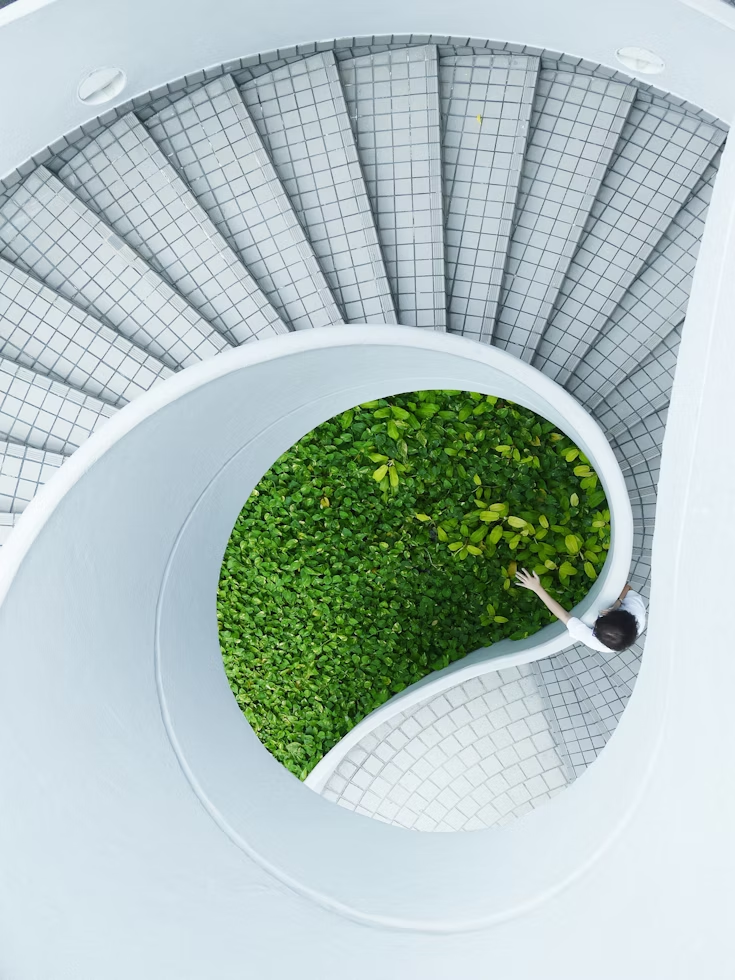
Living walls and indoor gardens are becoming hallmarks of green interiors. As Livingetc notes, these biophilic elements purify air, regulate humidity, and bring a sense of calm and vitality to interiors. They blur the line between architecture and landscape, making nature an integral part of daily life.
Homeowners are also prioritizing locally sourced and artisan-made décor, reducing transportation emissions while supporting regional economies. Each piece tells a story about place, material, and craft. Meanwhile, modular furniture is gaining popularity for its adaptability—pieces that can be rearranged or reconfigured over time reduce the need for resource-intensive replacements. Together, these strategies create interiors that are beautiful, functional, and environmentally responsible.
Art and Sustainability: Creativity Meets Responsibility
Art plays a surprisingly powerful role in advancing sustainable design narratives. Across the country, artists and homeowners are embracing recycled materials, digital formats, and ethical collecting practices to align aesthetics with environmental values. Sculptural installations made from reclaimed wood, metal scraps, or industrial byproducts are becoming focal points in eco-conscious homes, proving that beauty can emerge from what was once considered waste.
Supporting local artists has become another key pillar of sustainable design. By commissioning works from nearby creators, homeowners reduce transportation-related emissions and strengthen local creative communities. This localized approach also forges a closer connection between the artwork, the home, and the surrounding environment.
Digital art is also on the rise, offering a low-waste alternative to traditional media. Homeowners display dynamic pieces on digital screens or projections, rotating collections without physical shipping, framing, or storage. Meanwhile, ethical art collecting focuses on transparency — examining how works are sourced, transported, and produced to ensure that the joy of collecting doesn’t come at the planet’s expense. These artistic choices weave sustainability into the cultural and emotional fabric of the home.
The Economics of Sustainable Design: Long-Term Gains
While sustainable architecture often involves higher upfront investment, the long-term economic case is compelling. Green buildings typically enjoy significant energy savings, lower maintenance costs, and increased durability, making them financially advantageous over time. Homeowners benefit from reduced utility bills and fewer costly repairs thanks to superior materials and systems.
There’s also a growing resale premium for sustainable homes. As eco-consciousness becomes mainstream, buyers are actively seeking properties that incorporate green building practices, energy efficiency, and climate resilience. These homes command higher prices and sell faster in competitive markets.
Additionally, many governments are offering tax credits, rebates, and incentives for renewable energy installations, efficient heating and cooling systems, and sustainable materials. These programs make it easier for homeowners to invest in eco-conscious upgrades, aligning financial benefits with environmental impact. Sustainability is proving not just ethically sound but economically smart—a win-win for homeowners and the planet.
Future-Proofing Your Space: Designing for Tomorrow
Sustainable design isn’t only about addressing today’s challenges—it’s about preparing for tomorrow. Climate change demands resilient architecture. Elevated foundations, fire-resistant cladding, and strategic shading are becoming essential for homes in vulnerable regions. These elements protect against floods, wildfires, and heatwaves while integrating seamlessly into contemporary designs.
Homes are also being designed with flexibility in mind. Modular layouts, movable walls, and multipurpose spaces allow residents to adapt their environments over time, whether to accommodate new family members, changing work patterns, or evolving technologies. This adaptability extends the lifespan of homes and reduces the need for resource-heavy renovations.
Technology integration plays a crucial role in future-proofing. Smart thermostats, automated lighting, water management systems, and AI-powered energy monitoring optimize resource use, making sustainable living easier and more efficient.
Above all, 2025 highlights sustainability as the ultimate luxury. A home that is beautiful, efficient, and environmentally responsible is more than just a residence—it’s a statement about values and vision. Platforms like RevArt are helping homeowners take this further by connecting them with eco-conscious artists who create recycled material installations, digital art, and locally inspired works. Through these collaborations, environmental responsibility becomes not just a design principle but a living, creative expression within the home.