
Subtotal
$0.00
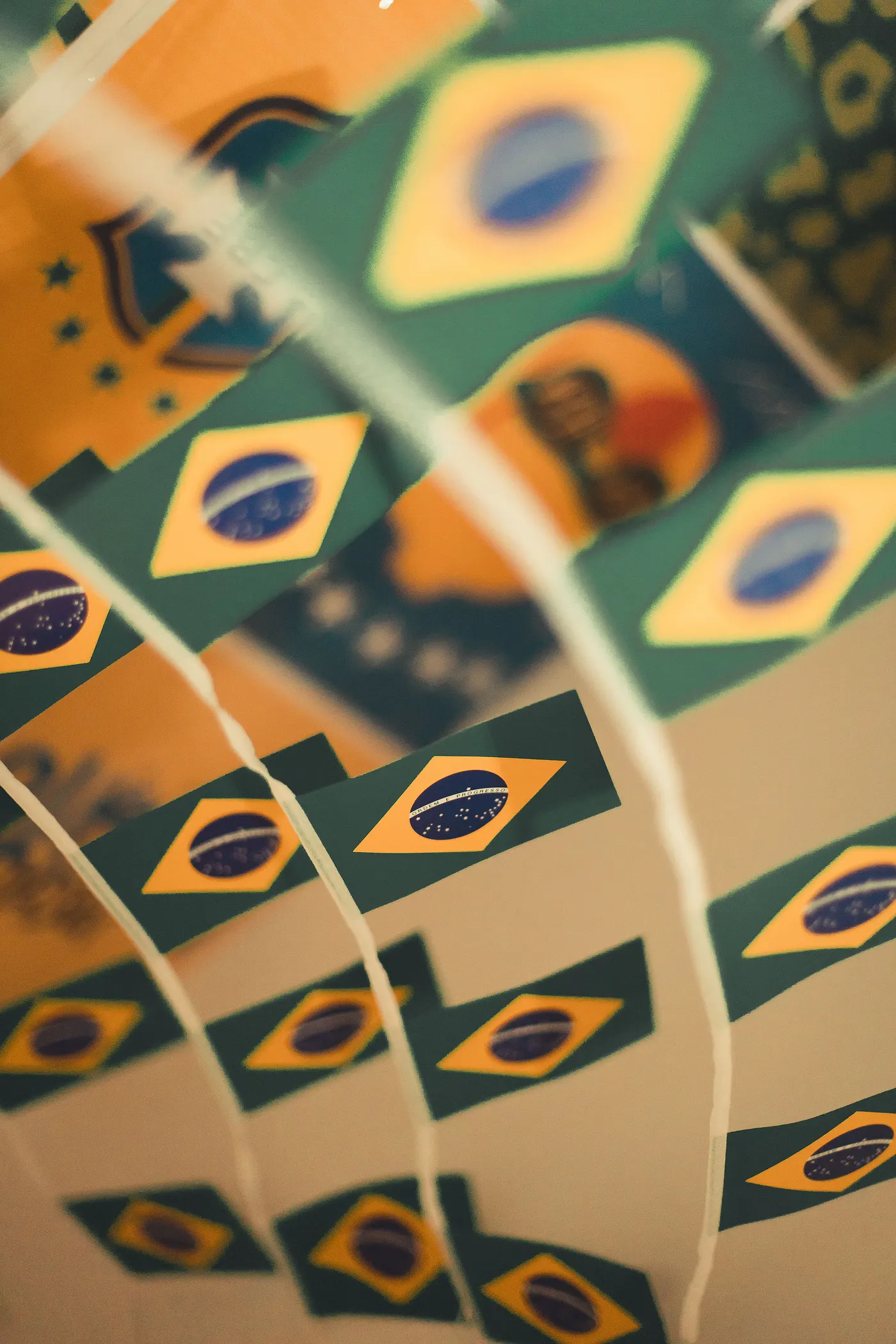
Every four years, the World Cup becomes more than a sports tournament. It becomes a global visual event. Stadiums fill with color, streets turn into gathering spaces, flags appear in windows and cars, jerseys become everyday fashion, and cities begin to speak through murals, posters, installations, and public celebrations. The matches may happen on the field, but the culture of the World Cup spreads far beyond the stadium.
This is why the World Cup is such a powerful topic for the art world. It shows how visual identity can bring people together across language, geography, and background. A flag, a shirt, a mural, or a fan-made sign can communicate pride, memory, and belonging instantly. For many people, the World Cup is not only something they watch. It is something they wear, paint, collect, photograph, and experience in public space.
During the 2026 FIFA World Cup, this connection between football and culture is especially visible. With the tournament hosted across the United States, Canada, and Mexico, the event is unfolding across multiple cities, each with its own local identity and creative energy. FIFA describes the Los Angeles Fan Festival as a “global celebration of football and culture,” with live match broadcasts, entertainment, cultural programming, interactive fan experiences, and food inspired by countries around the world. That description shows how the World Cup has become a cultural platform as much as an athletic one.
For RevArt, this moment offers a timely way to think about art outside traditional gallery spaces. The World Cup reminds us that visual culture is not limited to museums, exhibitions, or private collections. It also lives in streets, stadiums, neighborhoods, clothing, posters, and public celebrations.

Passionate Portuguese soccer fans celebrating outdoors with flags and face paint, Image by Omar Ramadan
Football as a Visual Language
Football is one of the most visual sports in the world. Before a fan even says which team they support, color often speaks for them. Jerseys, scarves, flags, face paint, banners, and national symbols all become part of a shared language. Red, blue, green, yellow, white, and black are not just colors during the World Cup. They become emotional signals.
This visual language helps people recognize one another. A jersey can turn a stranger into a fellow supporter. A flag can turn a public square into a temporary community. A mural of a player can turn a blank wall into a place of memory and pride. In this way, football culture often works like art: it uses images, color, and symbols to create meaning.
The World Cup also shows how design can travel quickly. A kit pattern, mascot, poster, or stadium graphic can become recognizable across the world within days. Fans recreate these visuals online, artists respond to them in murals and illustrations, and cities use them to shape the atmosphere around the tournament. The result is a visual culture that belongs to both official designers and everyday people.
This is what makes the World Cup such an interesting case for artists and creative platforms. It is one of the rare global events where design, identity, performance, and public emotion all appear at the same time.
Murals, Public Art, and the City as a Gallery
One of the clearest connections between the World Cup and art is public art. During major sporting events, cities often become open-air galleries. Murals appear near stadiums, fan zones, train stations, parks, and neighborhoods. Sculptures and installations invite people to stop, photograph, and participate. Temporary art can become part of how visitors remember a city.
The New York/New Jersey region has made this connection direct through Art of the Game, a public art program presented by ARTS 14C in partnership with the New York/New Jersey 2026 World Cup Host Committee. The project transforms the soccer ball into monumental public sculptures installed across New York City and New Jersey during the summer of 2026.
According to the NY/NJ Host Committee, the program is designed to turn the region into an “open-air museum,” with larger-than-life soccer-ball sculptures displayed across communities during the tournament. The initiative also included an artist call for a local New York or New Jersey artist to join internationally recognized creators, giving the World Cup a direct connection to artist opportunity and public visibility.
This example shows how global events can create new platforms for artists. Public art gives fans and visitors something to experience beyond the match schedule. It also gives local communities a way to see themselves represented within a global event.
Jerseys, Posters, and the Design of Belonging
The World Cup is also a design event. Jerseys, posters, logos, mascots, broadcast graphics, tickets, and merchandise all shape how the tournament is remembered. These objects may begin as functional designs, but over time they can become cultural artifacts.
A jersey is one of the strongest examples. It is designed for players, but it is also worn by millions of fans. It carries national colors, symbols, patterns, typography, and emotional history. For supporters, a jersey can represent family, heritage, memory, or a specific tournament moment. Some people wear jerseys as fashion. Others collect them as personal archives.
Posters and graphics work in a similar way. They give each tournament a visual identity. They tell audiences where the event is happening, what mood it wants to create, and how the host cities want to be seen. The official FIFA World Cup 2026 brand uses the trophy and tournament year as central visual elements, showing how even the branding of the event becomes part of its cultural memory.
For artists and designers, this raises an important point: visual identity is not just decoration. It shapes emotional connection. People remember tournaments not only through goals and results, but also through colors, patterns, songs, street scenes, images, and objects.
Fan Culture as Creative Participation
One of the most powerful parts of the World Cup is that fans do not only consume the event. They help create its visual culture. They paint their faces, design signs, customize clothing, wave flags, create chants, decorate cars, and gather in public spaces. In doing so, they become creative participants.
This kind of creativity is not always formal, but it is deeply meaningful. A handmade banner can carry as much emotion as a polished advertisement. A group of fans dressed in national colors can turn a sidewalk into a performance. A scarf, bracelet, or souvenir can become a personal object of memory.
Recent fan behavior shows how quickly small objects can become meaningful. Reuters reported that World Cup fan bands became a surprise collectible during the 2026 tournament, with hundreds of thousands distributed and fans treating them as keepsakes. This shows that World Cup culture is not only about watching games. It is also about collecting physical reminders of belonging, place, and experience.
This connects closely to the art world. Collecting is often emotional before it is financial. People collect because an object holds memory, identity, or personal meaning. Whether it is a painting, a jersey, a pin, or a poster, the object becomes valuable because of the story attached to it.

Crowd watching a soccer game on a large screen outdoors in Istanbul, Türkiye, Image by Murat Ak
Why the World Cup Matters for Artists
The World Cup matters for artists because it shows how art and design enter everyday life at a massive scale. During the tournament, millions of people engage with visual culture without necessarily calling it art. They respond to color, pattern, public space, performance, memory, and identity.
For artists, this creates inspiration and opportunity. A painter might explore national identity through color. A textile artist might respond to fan fashion and jersey design. A muralist might create work around community pride. A photographer might document public celebrations. A designer might study how cities use visual systems to welcome global audiences.
The World Cup also reminds artists that audiences are drawn to work that feels connected to real life. People engage with visuals when those visuals reflect their emotions, communities, and shared experiences. Art becomes powerful when it gives people a way to see themselves and each other.
This is why World Cup-inspired art does not need to be limited to sports imagery. It can explore migration, belonging, memory, public space, cultural pride, fashion, design, movement, and collective joy. These are all themes that matter far beyond football.
How This Connects to RevArt
This topic fits RevArt because RevArt works at the intersection of artists, audiences, opportunities, and cultural storytelling. The World Cup provides a clear example of how art becomes more visible when it connects to something people are already experiencing and searching for.
For artists, the lesson is not simply to follow trends. The lesson is to understand how cultural moments create new conversations. When a global event captures public attention, artists can use it as a starting point to explore deeper ideas. The World Cup can open conversations about identity, public art, community, design, memory, and belonging.
For collectors and art lovers, the World Cup also offers a reminder that art is everywhere. It can appear in a gallery, but it can also appear on a wall, a shirt, a poster, a street corner, or a public sculpture. Visual culture surrounds the way people gather and celebrate.
RevArt can use this kind of topic to connect with a wider audience while still staying rooted in art. By writing about the World Cup through the lens of visual culture, RevArt can participate in a trending global conversation without becoming a sports platform. The focus remains on artists, design, public engagement, and cultural meaning.

Vibrant street celebration in Buenos Aires with football fans and drums, Image by Enzo Ariel Castillo
The Lasting Image of the Game
When the World Cup ends, the final score will become history. But the images will remain. People will remember the colors in the crowd, the murals on city walls, the jerseys worn by strangers, the flags in the streets, the posters, the celebrations, and the public artworks that turned host cities into cultural stages.
This is the lasting power of visual culture. It gives emotion a form. It turns a temporary event into memory. It allows people to carry a piece of the experience with them long after the tournament is over.
The World Cup shows that art does not always begin in a quiet room or behind a museum wall. Sometimes it begins in a crowd, on a street, or in the shared excitement of people gathering around something larger than themselves.
Global football becomes visual culture because people make it visible. They wear it, paint it, design it, collect it, and remember it. In that sense, the World Cup is not only a tournament. It is a worldwide canvas.
Ready to explore how art connects with culture, identity, and public life? Follow RevArt for more stories on artists, visual trends, creative opportunities, and the ways art shapes the world around us.