
Subtotal
$0.00
Art is often treated as something added at the end of a design process. A room is painted, furnished, and arranged, and then artwork is placed on the wall as a final decorative touch. But art does more than complete a space. It shapes how a space feels.
A painting can make a room feel calm, bold, nostalgic, playful, intimate, or alive. A sculpture can change the way people move through a lobby or public area. A textile work can soften a wall and bring warmth into a room. A large abstract piece can create energy, while a quiet landscape can make a space feel more restorative.
This is why art should not be seen only as decoration. Art creates atmosphere. It affects mood, memory, identity, and experience. Whether it appears in a home, office, hotel, gallery, café, public building, or community space, creative work influences how people connect to the environment around them.
This topic feels especially relevant now as interior design continues to move toward warmth, personality, and sensory experience. Better Homes & Gardens recently described sun-washed colors as a major summer trend because they create a softer, calmer, and more lived-in feeling. Veranda has also highlighted material drenching, a design approach that uses texture and material to create immersive interiors. These trends show that people are not only thinking about how spaces look. They are thinking about how spaces feel.
For RevArt, this conversation matters because artists help define atmosphere. Their work gives spaces emotional depth, cultural meaning, and a human presence that furniture and finishes alone cannot create.

Close-up of hands painting on a colorful palette, showcasing creativity and artistry, Image by Mikhail Nilov
Art Is More Than Decoration
Decoration can make a space look complete, but art can make a space feel meaningful. The difference is important. Decoration often follows a style. Art introduces a point of view.
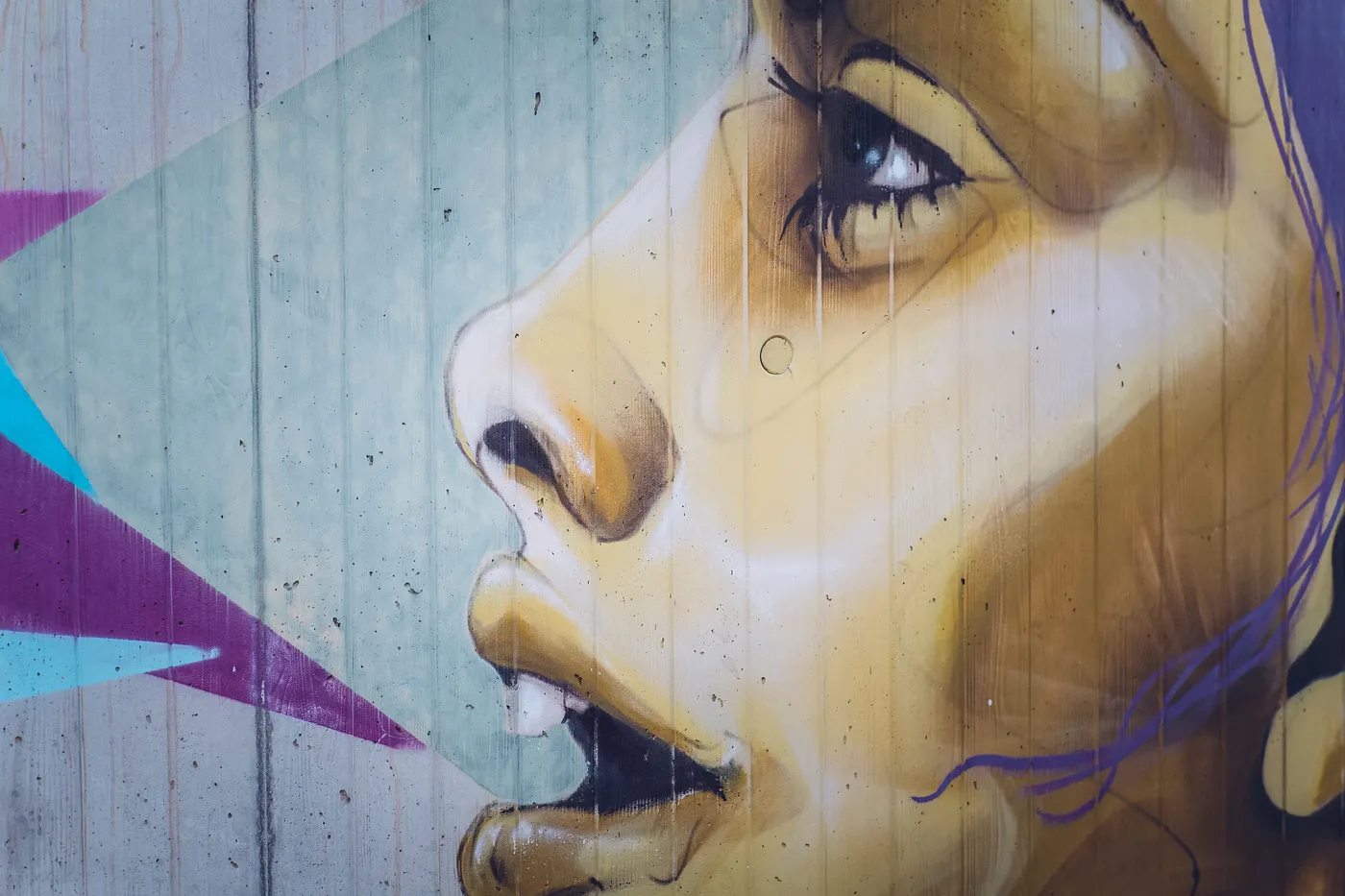
When someone enters a room, they may notice the furniture first, but the artwork often tells them what kind of space they are in. A bright contemporary painting can make a room feel energetic and social. A quiet photograph can make a hallway feel reflective. A handmade ceramic installation can make a space feel grounded and tactile. A public mural can turn a blank wall into a place of identity and memory.
Art also gives a space personality. Without art, many interiors can feel anonymous, even if they are well designed. Artwork introduces story, emotion, and human expression. It can show what the people in the space value, what histories they want to remember, or what mood they want to create.
This is why art is so important in homes. A home is not only a shelter or a collection of objects. It is a personal environment. The art someone chooses can reflect family, culture, travel, aspiration, comfort, grief, joy, or imagination. In this way, art becomes part of how people understand themselves inside a space.
Color and the Emotional Tone of a Room
Color is one of the most immediate ways art shapes atmosphere. Before a viewer understands the subject of a painting, they often feel its color. Warm tones can create energy and intimacy. Cool tones can feel calm or spacious. Dark tones can add drama and depth. Soft colors can make a space feel gentle and open.
Interior design trends show how strongly color affects mood. The recent interest in softer, sun-washed colors reflects a desire for spaces that feel calm, relaxed, and lived-in. These colors are not loud, but they change the emotional tone of a room. Art can do the same thing.
A single artwork can introduce a color story that influences the entire space. It can connect different design elements, create contrast, or bring a sense of movement into a room. A painting with warm orange and terracotta tones may make a neutral room feel more inviting. A blue abstract piece may create a peaceful feeling in a bedroom or office. A bold multi-color work may turn a simple room into a creative environment.
For artists, this shows the importance of color beyond aesthetics. Color is not only visual. It is emotional. It helps determine whether a space feels restful, expressive, formal, playful, or personal.

Colorful painting and sculptures in an artist’s studio, showcasing creativity and craft, Image by Dinara Guseinova
Texture, Scale, and the Body
Atmosphere is not only created through color. Texture and scale also affect how people experience art in a space.
Texture invites closeness. A woven piece, layered painting, carved woodwork, or mixed-media surface makes people want to look longer. Texture reminds viewers that the artwork was made through touch, pressure, movement, and material decisions. This can make a room feel warmer and more human.
Scale affects the body. A large artwork can make a space feel expansive, dramatic, or immersive. A small artwork can create intimacy and encourage closer viewing. Public art can change how people move through a plaza, hallway, park, or lobby. The size of the work shapes the relationship between the viewer and the environment.
The current conversation around material-focused interiors shows why this matters. Veranda’s article on material drenching explains how repeated use of one material can make a space feel cohesive and immersive. Art can create a similar effect. A textured wall piece, sculpture, or installation can give a room a strong material identity.
This is especially important in spaces that risk feeling flat or impersonal. Offices, waiting rooms, apartment lobbies, and commercial spaces can easily feel generic. Art brings depth into these environments. It gives people something to notice, remember, and emotionally respond to.
Art, Memory, and Identity
One of the most powerful ways art shapes atmosphere is through memory. A space can feel different when it contains work that reflects personal or cultural meaning.
In a home, this might be a painting from a local artist, a photograph connected to a place, or an artwork that reminds someone of family history. In a workplace, it might be art that reflects the company’s values, community, or creative identity. In a public space, it might be a mural that represents local stories, neighborhood pride, or shared history.
Art helps spaces remember. It can hold personal memories, cultural references, and emotional associations. This is why the same artwork can affect different people in different ways. A landscape might remind one person of childhood. A textile pattern might remind another person of heritage. A color combination might create a feeling of comfort, even before the viewer knows why.
This connection between art and memory is especially important for collectors. Collecting art is rarely only about filling wall space. It is about choosing objects that hold meaning. The artwork becomes part of daily life, and over time, it becomes connected to the memories formed in that space.
For RevArt’s audience, this is a strong reminder that art has emotional value as well as visual value. The right artwork can make a space feel more like itself.
The Role of Art in Wellbeing
Art can also support well-being. In healthcare, hospitality, workplaces, and homes, designers increasingly think about how environments affect stress, focus, comfort, and emotional health. Art plays a role in that experience.
Research and design conversations around biophilic design show why visual environments matter. Terrapin Bright Green’s 14 Patterns of Biophilic Design explains how nature-based design can reduce stress, support creativity, and improve well-being. Nature-inspired art, organic forms, natural materials, and calming imagery can contribute to that sense of restoration.
This idea is also being explored in healthcare spaces. A review from the Penn Center for Neuroaesthetics examines the role of visual art in built environments, especially in relation to health and well-being. While art is not a cure by itself, the growing attention to art in healthcare shows that visual surroundings can meaningfully influence how people experience a space.
This matters beyond hospitals. People want homes that feel restorative, offices that feel less sterile, and public spaces that feel more welcoming. Art can support these goals by introducing beauty, attention, nature, memory, and emotional connection.
A room with meaningful art can invite people to slow down. It can offer a moment of calm, curiosity, or reflection. In a fast-moving world, that kind of atmosphere has real value.
How Art Changes Different Spaces
Different environments ask different things from art. In a home, art can create warmth and personal identity. In an office, it can communicate creativity, professionalism, or company culture. In a hotel, art can shape the guest experience and make a place feel memorable. In a restaurant or café, art can influence mood and make the space feel more distinct. In public spaces, art can build community connection and create landmarks.
This is why art selection should be intentional. A large, energetic artwork may work well in a creative office or social space but feel overwhelming in a quiet bedroom. A calming landscape may be perfect for a wellness space but too subtle for a busy lobby. A public mural may need to reflect community identity in a way that private artwork does not.
Artists can also think about how their work might live in different environments. Some work invites close, private viewing. Some work needs distance and open space. Some work creates conversation. Some work creates quiet. Understanding atmosphere can help artists communicate the potential of their work to collectors, designers, and curators.

Artist working on vibrant watercolor painting, showcasing creativity and artistic expression, Image by Daka
How This Connects to RevArt
This topic fits RevArt because RevArt connects artists with audiences who are not only looking for artwork, but also looking for meaning, atmosphere, and experience. Whether someone is collecting for a home, designing a workspace, staging a property, or thinking about public art, the question is not only “What should go on the wall?” The deeper question is “How should this space feel?”
RevArt can help answer that question by highlighting artists whose work brings emotion, texture, story, and identity into spaces. Artist profiles, interviews, collections, and platform opportunities can help collectors and designers understand how specific artworks shape atmosphere.
This also connects to art rental and interior design. Renting or collecting art allows people and businesses to change the feeling of a space without changing the entire environment. A new artwork can refresh a room, shift its mood, or make it feel more aligned with a season, event, or brand identity.
For artists, RevArt offers a way to show how their work can live beyond the studio. A painting, sculpture, textile, or installation can become part of someone’s daily environment. It can affect how people gather, rest, work, and remember.
The Feeling That Remains
When people leave a space, they may not remember every design detail. They may not remember the exact furniture layout, the brand of lighting, or the color code of the walls. But they often remember how the space made them feel.
Art plays a major role in that feeling. It can create warmth, energy, calm, identity, surprise, or reflection. It can make a space feel personal instead of generic. It can turn a room into an experience.
This is why art should not be treated as an afterthought. Art is atmosphere. It shapes how people feel inside a space and what they carry with them afterward.
For homes, offices, public spaces, and creative environments, the right artwork does more than fill a wall. It gives the space a voice.
Ready to explore how art can transform the feeling of a space? Follow RevArt for more stories on artists, design trends, creative opportunities, and the ways contemporary art shapes everyday environments.