
Subtotal
$0.00
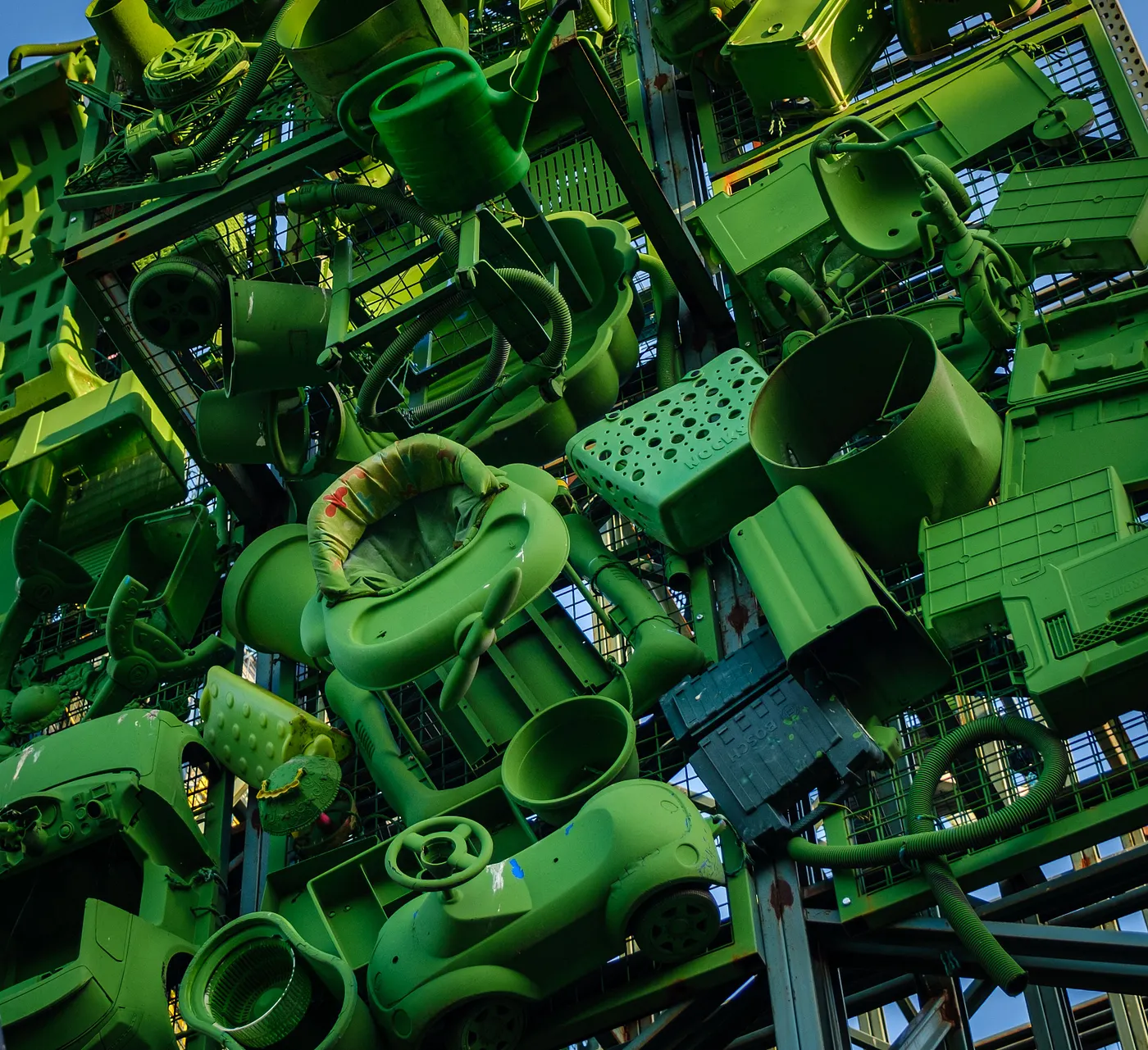
Sustainability is no longer only a technical concern or environmental slogan. It is becoming a creative value. In contemporary art, interiors, architecture, fashion, and collecting, audiences are increasingly asking not only what something looks like, but also what it is made from, how it was produced, and what kind of future it supports.
This shift is changing how people think about beauty. For a long time, design culture often celebrated newness: new materials, new products, new trends, and new collections. But today, beauty is being redefined through responsibility, longevity, repair, reuse, and emotional connection. A reclaimed wood sculpture, a textile made from repurposed fabric, a ceramic object created with local materials, or an artwork made from discarded objects can feel beautiful not despite its sustainable qualities but because of them.
This conversation is especially relevant now. Elle Decor has highlighted eco-friendly home trends for 2026, including long-lasting furniture and design choices that reduce waste. Porcelanosa also identifies natural textures, recycled materials, warm tones, and cozy interiors as major design directions for 2026. These trends show that sustainability is not separate from beauty. It is becoming part of how beauty is understood.
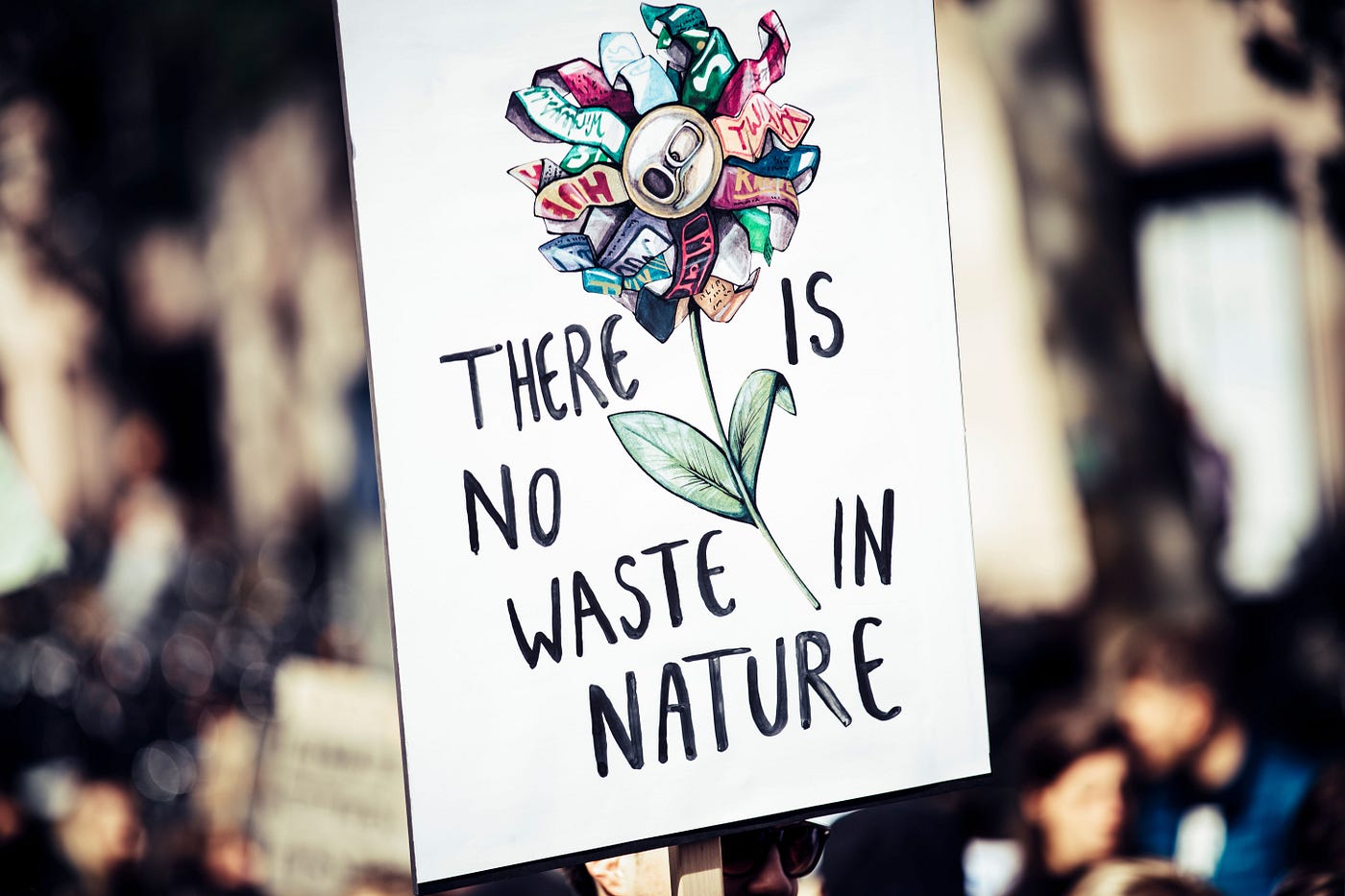
Protest sign featuring a flower made from recycled materials promoting environmental conservation, Image by Markus Spiske
Sustainability as a Creative Language
Sustainable art is not only about using recycled materials. It is about changing the relationship between artist, object, viewer, and environment. It asks important questions: Where do materials come from? What happens to objects after they are used? Can discarded materials become meaningful again? Can beauty encourage people to care more deeply about the world around them?
Artists have always worked with available materials, but eco-conscious art brings that decision into sharper focus. A sculptor using reclaimed metal is not only choosing a material for its appearance. They may also be responding to waste, industry, memory, or environmental impact. A textile artist using discarded fabric may be thinking about fashion waste, labor, family history, or repair. A painter using natural pigments may be connecting process to place.
This makes sustainability a creative language. Materials carry meaning before the artwork is even complete. Recycled plastic, old wood, broken ceramics, found paper, and repurposed textiles all bring their own histories into the work. The artist does not erase those histories. Instead, they transform them.
In this way, sustainable art can make environmental issues feel personal and visible. It turns abstract concerns like waste and consumption into objects people can see, touch, and emotionally understand.
Recycled Materials and the Beauty of Transformation
One of the strongest movements in sustainable art is the use of recycled and reclaimed materials. Artists are taking objects that might otherwise be thrown away and giving them new form, value, and meaning.
This process can be powerful because it challenges the idea of waste. A discarded object is not always finished. In the hands of an artist, it can become sculpture, collage, installation, textile, furniture, or public art. The transformation itself becomes part of the message.
The Canton Museum of Art’s 2026 exhibition “Reclaimed: The Art of Recology” presents work by artists connected to the Recology Artist in Residence Program, where artists create work from materials found at a recycling and waste facility. The exhibition describes how artists treat the site not as a dump but as a source of creative possibility. That idea captures the heart of sustainable art: what society rejects can become visually and emotionally meaningful.
Similarly, the Hi-Desert Nature Museum’s “Wondrous Waste” Recycled Art Exhibition focuses on transforming waste into art. Projects like these show that sustainable art is not only about reducing harm. It is also about expanding imagination.
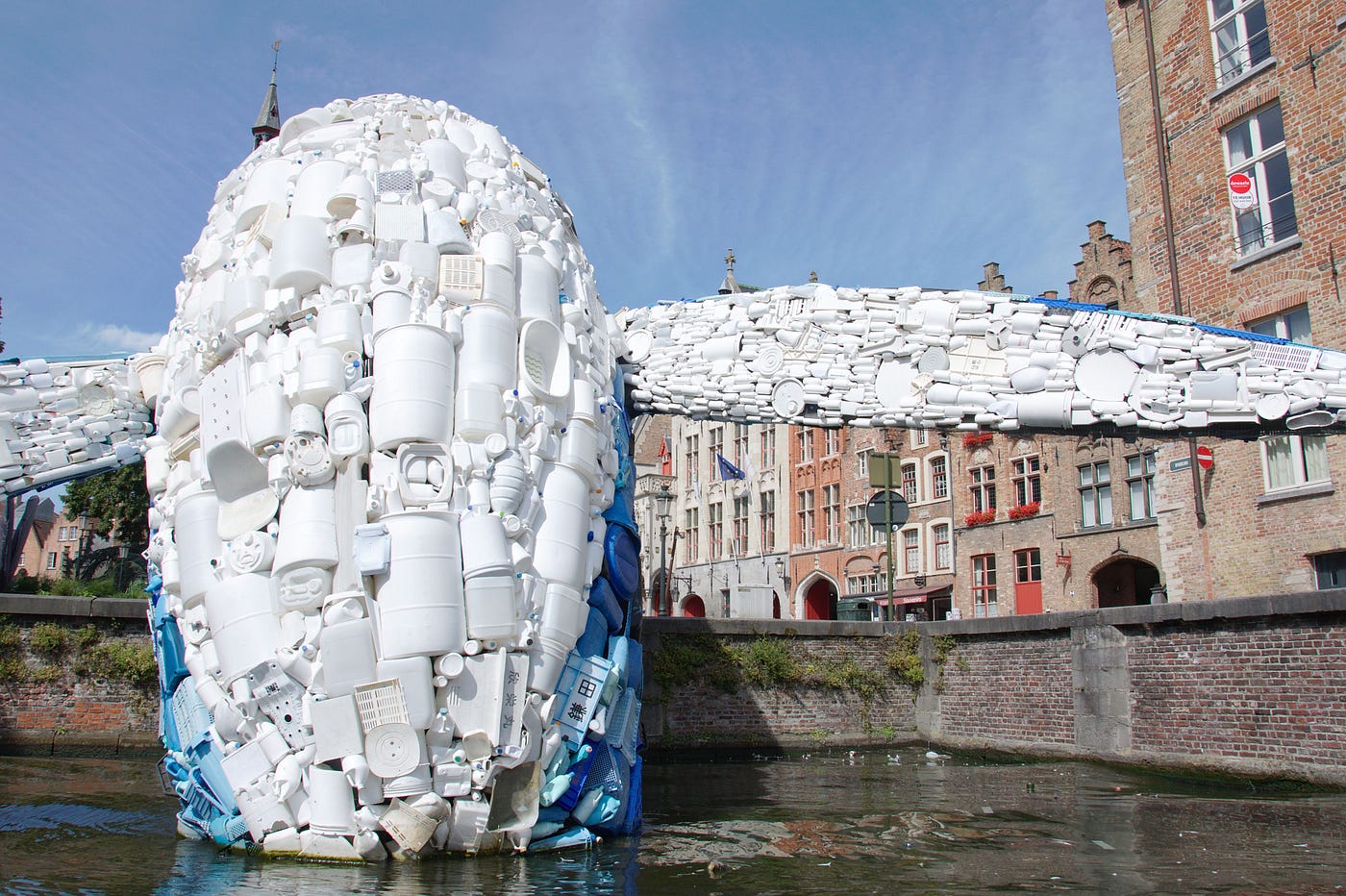
Innovative whale sculpture in Bruges made entirely from recycled plastics, highlighting marine pollution, Image by Jean-Paul Wettstein
Eco-Conscious Design in Everyday Spaces
Sustainability is also reshaping interiors and home décor. People are increasingly drawn to spaces that feel natural, grounded, and responsible. Reclaimed wood, natural stone, recycled materials, vintage furniture, handmade objects, low-waste design, and long-lasting pieces are becoming part of contemporary design language.
This matters because interior design influences daily life. A sustainable home is not only about energy efficiency or material sourcing. It is also about creating a space that feels meaningful, healthy, and connected to values. Art plays a major role in that experience.
A room with original artwork made from natural or reclaimed materials can feel more personal than a room filled with mass-produced décor. A handmade textile can bring warmth. A ceramic piece can add earthiness. A sculpture made from reused materials can become a conversation about memory and responsibility.
This shift connects to the growing rejection of fast furniture and disposable design. Instead of constantly replacing objects to follow short-term trends, more people are interested in pieces that last. Art fits naturally into this slower approach. A meaningful artwork can move with someone across homes, seasons, and life stages.
For collectors, this means sustainability can become part of taste. Choosing eco-conscious art is not only an ethical decision. It can also be an aesthetic one.
The Return of Craft and Natural Materials
The sustainability conversation also connects to the renewed interest in craft. Handmade ceramics, woven textiles, carved wood, glass, metalwork, and fiber art are gaining attention because they often emphasize material knowledge, process, and care.
Architectural Digest recently described a new craft revival led by artists working with clay, textiles, wood, metals, and interdisciplinary materials. This revival matters because craft often encourages a more intimate relationship with materials. Instead of hiding the process of making, craft reveals it.
Natural materials also carry emotional weight. Wood, clay, wool, linen, stone, and plant-based fibers can make spaces feel warmer and more grounded. They remind viewers of the earth, the body, and the hand. In a digital world, this physical presence can feel especially valuable.
For artists, craft and sustainability can work together. A ceramic artist may explore local clay. A textile artist may use repurposed fabric. A woodworker may work with salvaged wood. A mixed-media artist may combine found objects with handmade techniques. These practices show that sustainability does not limit creativity. It can deepen it.
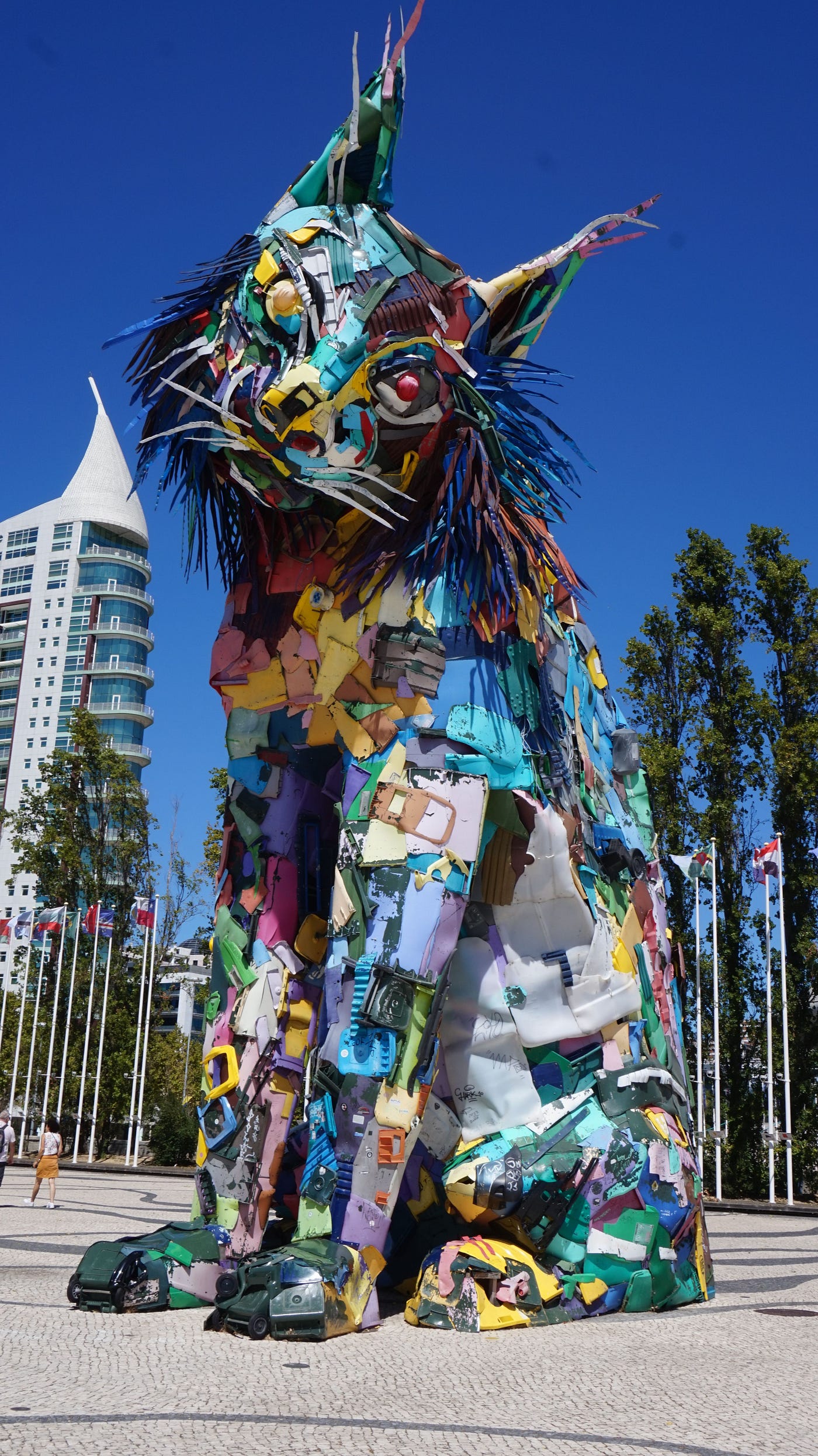
Eccentric cat sculpture made from trash, towering in Lisbon, Portugal, Image by Chris Price
Ethical Collecting and the New Meaning of Value
Sustainable beauty also changes how people think about collecting. In the past, art collecting was often discussed through rarity, status, investment, or style. Those ideas still exist, but many collectors are also becoming interested in values: Who made this? What materials were used? What story does the work carry? What kind of creative practice am I supporting?
Ethical collecting does not mean every artwork must directly address the environment. It means paying attention to the relationship between the object, the artist, and the world around it. Collectors may support artists who use sustainable materials, work locally, revive traditional techniques, reduce waste, or create pieces designed to last.
This type of collecting can feel more personal. A collector is not only buying an object. They are supporting a way of making. They are choosing to live with something that reflects care, process, and responsibility.
It also connects to emotional value. Sustainable artworks often carry stories of transformation, repair, and reuse. These stories can make the work feel more meaningful in a home, office, or public space. The artwork becomes both a visual object and a reminder of a larger value system.
For RevArt’s audience, this creates an important bridge between art and lifestyle. Sustainable collecting is not only about what people own. It is about how they choose to live with beauty.
Sustainability Beyond Materials
Although materials are important, sustainability in art goes beyond what something is made from. It can also include how work is produced, displayed, shipped, maintained, and experienced.
An artist might reduce waste in the studio. A gallery might rethink exhibition materials. A collector might choose local artists to reduce shipping impact. A designer might rent or rotate art instead of constantly buying new décor. A public art project might use durable materials that last longer and require less replacement. A platform might help connect existing artworks with new audiences, extending the life and reach of creative work.
A recent paper on sustainability-informed materials design argues that sustainability should be considered earlier in the materials process, before decisions become locked in. While the paper focuses on materials science, the idea also applies creatively. Artists and designers can think about sustainability from the beginning, not only after the object is finished.
This broader view is useful because it avoids treating sustainability as a surface label. It becomes part of the entire creative process.
Why Sustainable Art Matters for Artists
For artists, sustainability can be both a practice and a story. The materials an artist chooses can communicate values. The process they use can show care. The final artwork can help audiences think differently about consumption, waste, nature, and beauty.
Artists do not need to make work that looks “green” in an obvious way. Sustainable art can be subtle, elegant, bold, experimental, traditional, or abstract. What matters is the intentional relationship between material, process, and meaning.
This can also help artists stand out. In a crowded digital and creative market, audiences often connect with work that has a clear point of view. Sustainable practices give artists a way to talk about their work with depth. A recycled-material sculpture, a naturally dyed textile, or a reclaimed wood installation gives audiences something to understand beyond style.
Artists can also use sustainability to connect with different audiences: collectors, interior designers, architects, community organizations, hospitality spaces, and public art programs. Many of these audiences are already thinking about environmental responsibility and long-term design.
Sustainability can therefore become both an artistic value and a professional opportunity.

Artistic representation of a world map using green moss on a plain surface, symbolizing eco-friendly and sustainable concepts, Image by Monstera Production
How This Connects to RevArt
This topic fits RevArt because RevArt connects artists with collectors, businesses, and audiences who care about meaningful creative work. Sustainable art speaks directly to that mission because it combines beauty, responsibility, process, and storytelling.
RevArt can help artists communicate the sustainable aspects of their practice through artist profiles, blog features, interviews, open calls, and artwork descriptions. If an artist uses reclaimed materials, natural pigments, recycled textiles, local resources, or low-waste processes, those details should be visible. They help audiences understand the work more fully.
For collectors, RevArt can make sustainable art easier to discover. Someone looking for eco-conscious home décor, ethical collecting, or artist-made design may not always know where to begin. A platform that highlights artist stories and material choices can make that discovery more accessible.
For designers and businesses, sustainable art can support spaces that feel thoughtful and values-driven. Whether in a home, office, hotel, public space, or community project, eco-conscious art can help shape an environment that feels both beautiful and responsible.
The Future of Beauty Is Responsible
Sustainable beauty asks us to rethink what makes an object valuable. Is it valuable because it is new, flawless, and expensive? Or is it valuable because it carries care, material intelligence, emotional connection, and responsibility?
The future of design is likely to include both innovation and restraint. It will involve new materials, but also reused ones. It will celebrate technology but also handwork. It will value beauty, but not at the cost of meaning.
Eco-conscious art shows that sustainability does not have to feel cold, limited, or purely practical. It can be poetic. It can be textured, colorful, emotional, and deeply human. It can turn waste into wonder and materials into memory.
For artists, collectors, and creative platforms, this is an exciting shift. Sustainable art is not only about protecting the future. It is also about imagining it.
Ready to discover art that connects beauty, material, and meaning? Follow RevArt for more stories on artists, design trends, creative opportunities, and the ways contemporary art shapes a more thoughtful world.