
Subtotal
$0.00
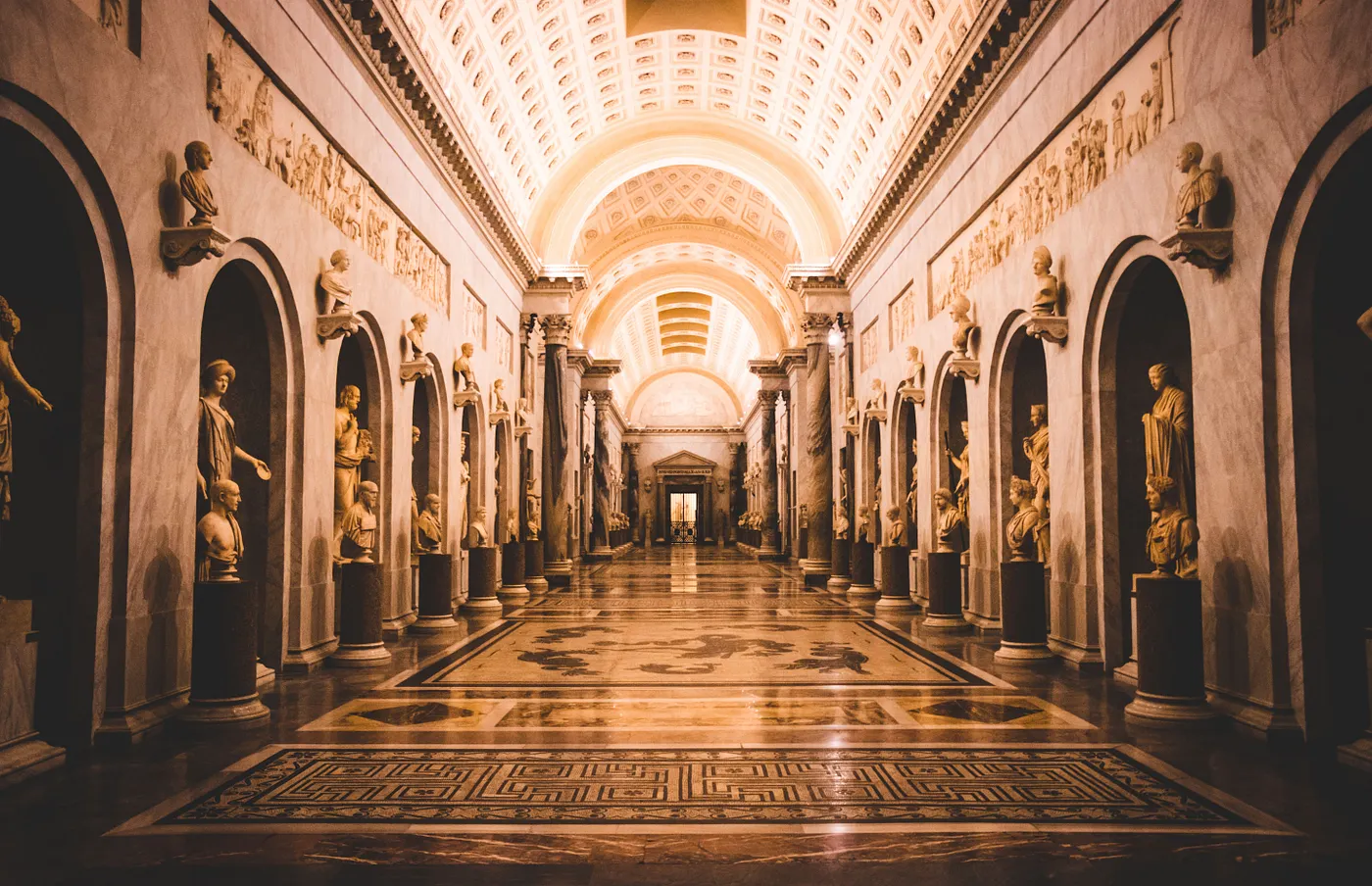
Summer travel often begins with familiar destinations: beaches, historic landmarks, restaurants, and outdoor festivals. But museums can offer something equally memorable. They provide a way to understand a city through its artists, histories, architecture, and changing cultural conversations.
A museum visit can also create a useful pause within a busy trip. Instead of moving quickly from one attraction to another, visitors are invited to slow down, look closely, and spend time with objects that may have traveled across centuries and continents.
Summer 2026 offers an especially varied museum season. Major institutions are presenting exhibitions on fashion, photography, sculpture, architecture, identity, animation, and contemporary American art. Some museums are also extending their programs beyond traditional galleries through gardens, performances, public events, interactive media, and digital experiences.
The following museums were selected for the strength of their permanent collections, their summer 2026 exhibitions, and the different ways they connect art with contemporary audiences. The list is not intended as a strict ranking. Instead, it offers ten destinations across the United States, Europe, and Asia that can make art a central part of summer travel.
Exhibition dates and availability can change, so visitors should review each museum’s official schedule before finalizing a trip.
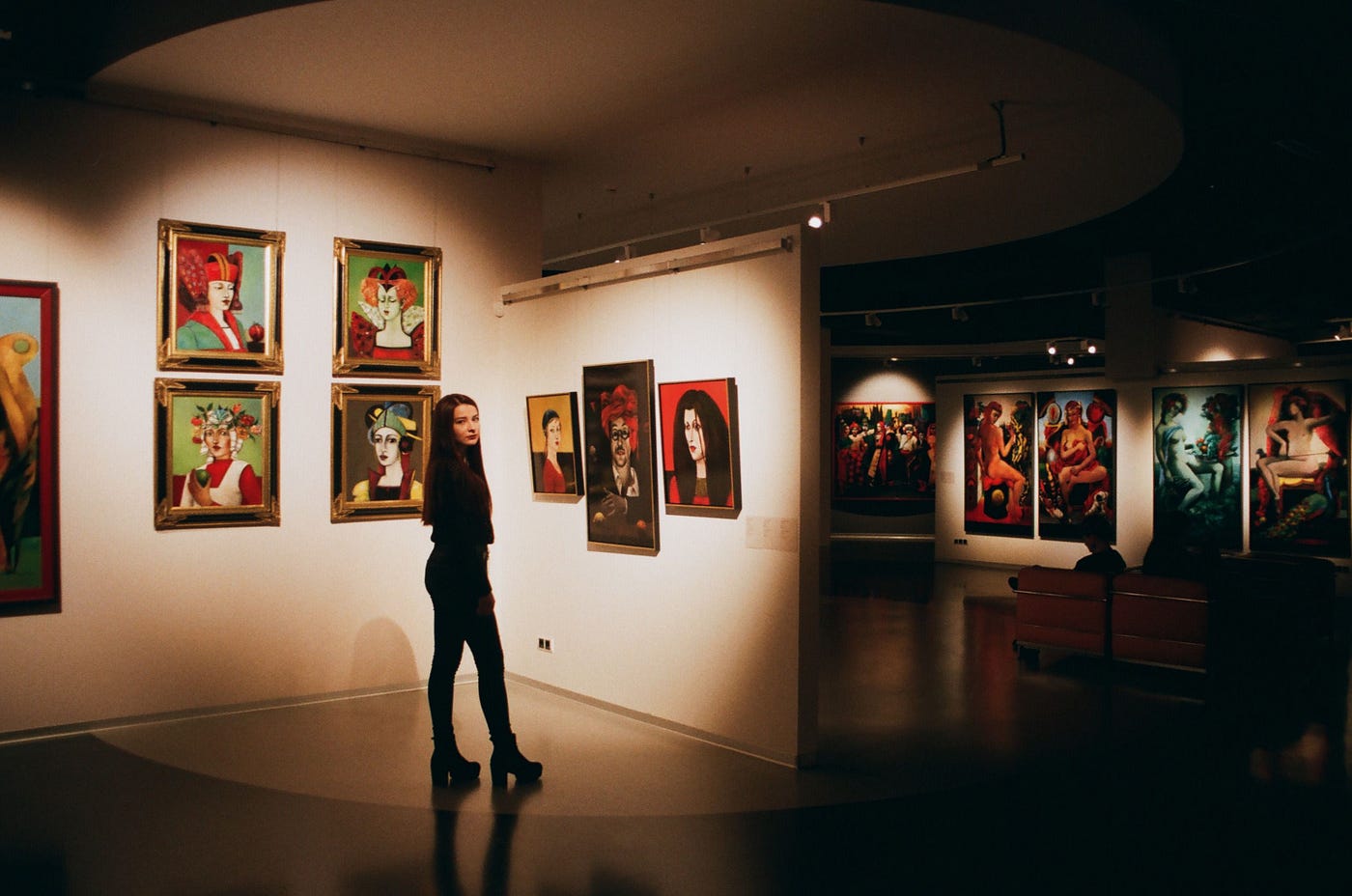
A woman admiring colorful paintings in a contemporary indoor art exhibition. Image by Darya Sannikova
1. The Metropolitan Museum of Art — New York City
The Metropolitan Museum of Art offers one of the broadest museum experiences in the world. A visitor can move between ancient objects, European paintings, decorative arts, fashion, photography, musical instruments, and contemporary work without leaving the building.
That scale can feel overwhelming, but summer is a good time to approach the Met through a specific interest rather than trying to see everything in one day.
One of the museum’s major 2026 exhibitions is Costume Art, presented by the Costume Institute through January 10, 2027. The exhibition examines the dressed body across art and fashion, connecting clothing with the way bodies have been represented throughout the Met’s collection.
The museum is also presenting Creatures of Myth and Imagination: Europe and the Americas through October 18. The exhibition explores imagined creatures and the ways artists have used them across different places, periods, and visual traditions. (The Metropolitan Museum of Art)
These exhibitions make the Met especially valuable for visitors interested in connections across categories. Fashion is not treated as separate from art history, and mythology is not restricted to one culture or medium.
The Met also rewards repeat visits. Someone may focus on fashion during one trip and return later for sculpture, painting, or ancient art. Its size encourages visitors to build their own path through history.
For artists, the museum offers an opportunity to study how materials, symbols, clothing, bodies, and stories change across time. For collectors and designers, it can reveal relationships between fine art, decorative objects, architecture, and everyday life.
2. The Museum of Modern Art — New York City
The Museum of Modern Art remains an important destination for understanding how artists and designers have reshaped visual culture from the late nineteenth century through the present.
Its collection moves across painting, sculpture, photography, architecture, film, performance, product design, and media. That range makes MoMA especially useful for visitors interested in how different creative disciplines influence one another.
Summer 2026 includes several major exhibitions. Marcel Duchamp, on view through August 22, brings together approximately 300 works and marks the artist’s first major United States retrospective since 1973. The exhibition examines his practice across media and offers a broad view of an artist whose ideas changed how later generations understood objects, authorship, and the definition of art.
Frida and Diego: The Last Dream, on view through September 12, connects works by Frida Kahlo and Diego Rivera with a Metropolitan Opera production inspired by their lives. Architects of Liberation: Modernism in Western Africa, which opened July 5, examines architecture and political transformation across the region. Beginning August 1, It’s Alive! A Century of Animation from the Collection explores animation as an artistic and cultural form. (The Museum of Modern Art)
Together, these exhibitions show why MoMA is more than a place to see familiar modern masterpieces. The museum also provides context around performance, architecture, design, politics, film, and the systems through which art is presented.
Visitors should allow time for both temporary exhibitions and the collection galleries. Seeing well-known works alongside changing exhibitions can reveal how the history of modern art continues to be reconsidered.
3. The Whitney Museum of American Art — New York City
For visitors interested in the current direction of art in the United States, the Whitney Museum offers a more focused experience than many encyclopedic institutions.
The central reason to visit in summer 2026 is the Whitney Biennial, on view through August 23. The Biennial is the museum’s long-running survey of contemporary American art and includes work across multiple media. Its 2026 edition asks what it means to describe art as American at a time when identity, geography, history, and culture are constantly being reconsidered. (Whitney Museum of American Art)
The museum is also presenting Mabel Dwight: Cool Head, Warm Heart through August 30 and Andy Warhol Family Album through October 19. The combination gives visitors access to both a broad contemporary survey and exhibitions centered on distinct artistic practices. (Whitney Museum of American Art)
The Whitney is particularly valuable for emerging artists because the Biennial creates a snapshot of current artistic concerns. Visitors can observe which materials, subjects, technologies, and exhibition methods are shaping contemporary practice.
The museum’s location near the High Line also makes it easy to combine indoor exhibitions with architecture, public space, and outdoor art. During summer 2026, the Whitney has also connected its programming with New York’s World Cup activity through screenings, artmaking, music, and community events. (Whitney Museum of American Art)
A visit can therefore extend beyond quietly observing objects in galleries. It can become part of a larger experience involving performance, public life, and the changing culture of the city.
4. The Art Institute of Chicago — Chicago
The Art Institute of Chicago offers a collection that spans centuries while remaining closely connected to the visual identity of the city around it.
Visitors may arrive for its famous paintings, but the museum also has significant holdings in architecture, design, photography, textiles, prints, decorative arts, and contemporary work. This variety makes it possible to move between widely different artistic traditions within one visit.
A summer 2026 highlight is The Floating World Emerges: Japanese Prints from the Clarence Buckingham Collection, on view from June 24 through September 6. The exhibition presents Japanese prints from one of the museum’s major collection areas and offers an opportunity to examine line, color, storytelling, fashion, landscape, and urban life through print culture. (Art Institute of Chicago)
The museum is also presenting ongoing installations dedicated to ancient Egypt, architectural fragments from Chicago, and twentieth- and twenty-first-century architecture and design. (Art Institute of Chicago)
The Art Institute is particularly useful for visitors interested in the relationship between art and design. Chicago’s own architectural history creates a strong setting for galleries that explore buildings, objects, interiors, and visual systems.
Its location near Millennium Park also makes it possible to connect the museum visit with public sculpture, architecture, landscape design, and the broader cultural environment of downtown Chicago.
5. San Francisco Museum of Modern Art — San Francisco
The San Francisco Museum of Modern Art provides a wide-ranging view of modern and contemporary art while giving particular attention to photography, design, architecture, painting, sculpture, and experimental media.
Summer 2026 offers several different reasons to visit.
Matisse’s Femme au chapeau: A Modern Scandal, on view through September 13, focuses on a painting that became associated with a major shift in modern color and artistic expression. Feel the Beat: Dance in Photographs, on view through February 28, 2027, examines the relationship between movement and photography. New Work: Sheila Hicks remains open through August 9, presenting work by an artist known for expanding the artistic possibilities of fiber and textiles. (SFMOMA)
The museum is also opening O. Smith: Artivist on July 25, adding another timely reason for a late-summer visit. (SFMOMA)
These exhibitions show how different mediums can communicate energy. Color, movement, fiber, performance, activism, and photography each offer a different way to understand the body and the surrounding world.
SFMOMA is also valuable for artists interested in installation scale. Its architecture allows large works and collections to be experienced across several floors, creating shifts in pace and atmosphere throughout a visit.
The museum’s summer events include film screenings, family programs, book discussions, and drawing activities, giving visitors several ways to participate beyond standard gallery viewing. (SFMOMA)
6. Tate Modern — London
Tate Modern is one of the strongest destinations for visitors interested in how modern and contemporary art can transform industrial architecture.
The museum occupies a former power station, and its scale shapes the experience of the work. Large galleries and open interior spaces allow installations, sculpture, film, painting, and performance to interact with the building itself.
Summer 2026 includes several major exhibitions. Tracey Emin: A Second Life, on view through August 31, surveys approximately forty years of the artist’s practice. Emin’s work moves across drawing, painting, sculpture, installation, film, and writing while exploring memory, vulnerability, the body, and personal experience. (Tate)
Frida: The Making of an Icon examines how Frida Kahlo’s image, work, and cultural identity have been interpreted and circulated. Tate has also scheduled special evening programming connected to the exhibition. (Tate)
A major exhibition dedicated to Ana Mendieta opened July 15 and includes films, paintings, and iconic works connected to the body, landscape, absence, and belonging. (Tate)
These exhibitions make Tate Modern particularly relevant for audiences interested in the relationship between an artist’s work and public identity. Emin, Kahlo, and Mendieta each created work that has been discussed through biography, the body, gender, place, and cultural memory.
Visitors should also leave time for Tate’s free collection displays. Moving between ticketed exhibitions and permanent galleries can help place individual artists within broader histories of modern and contemporary art.
7. The Louvre — Paris
The Louvre is often approached through a small group of famous works, but its true value comes from the depth and variety of its collections.
A visitor can move through sculpture, painting, decorative arts, ancient objects, Islamic art, prints, drawings, and architecture. The building itself also carries several layers of history, making the museum an experience of place as much as a collection of objects.
Summer 2026 offers exhibitions that encourage visitors to move beyond the most crowded rooms.
Primeval Waters: Lessons from Mesopotamia, on view through March 15, 2027, examines water through objects and histories from ancient Mesopotamia. Affinities: Islamic Art Wonders in the Department of Decorative Arts, which opened June 24, brings works into conversation across museum departments and remains on view through December 31. A display of precious metalwork donated by Michel Lacoste opened June 26 and continues into January 2027. (Le Louvre)
These exhibitions make the Louvre useful for understanding how museums create relationships between cultures, materials, and historical periods.
Visitors who feel overwhelmed by the museum’s size can choose one theme — such as sculpture, decorative arts, ancient civilizations, or material craftsmanship — and build a focused visit around it.
The museum also offers guided tours designed to introduce major works or lead visitors toward less familiar parts of the collection. During July and August 2026, the Louvre scheduled several daily tours, including programs focused on lesser-known galleries. (Le Louvre)
A thoughtful Louvre visit does not require seeing everything. It requires giving a smaller number of objects enough time to become memorable.
8. Museo Nacional del Prado — Madrid
The Museo del Prado offers a concentrated experience of European painting and the history of royal, religious, political, and cultural representation.
Its galleries allow visitors to study how painters used gesture, clothing, light, space, symbolism, and portraiture to communicate power and emotion. The museum can be especially useful for contemporary artists interested in composition, figure painting, storytelling, and the construction of public identity.
A major summer 2026 exhibition is Prado. 21st Century: 25 Years of Major Acquisitions, on view from June 9 through September 27. The presentation brings together works acquired during the first quarter of the twenty-first century and shows how the museum has continued expanding and reconsidering its collection. (Museo del Prado)
The exhibition is significant because museum collections are not completely fixed. Acquisitions, research, restoration, and new displays can change the stories institutions tell.
By focusing on recent acquisitions, the Prado allows visitors to think about how historical museums continue developing in the present. What a museum chooses to acquire reveals which gaps it recognizes, which artists it wants to reconsider, and how its understanding of art history may be changing.
For visitors, this offers a different experience from seeing only the museum’s most familiar masterpieces. It reveals the institution itself as an active participant in shaping cultural memory.
9. Rijksmuseum — Amsterdam
The Rijksmuseum combines art, history, design, decorative objects, and national memory within one institution.
Its collection is known for Dutch masterpieces, but summer 2026 also provides strong reasons to explore photography, sculpture, conservation, and outdoor space.
Ed van der Elsken: Up Close, on view through September 13, focuses on an influential Dutch photographer known for observing city life, intimacy, youth, and social environments. The exhibition gives visitors an opportunity to explore how photography can move between documentation and personal encounter. (Rijksmuseum.nl)
The museum’s gardens are also presenting a free exhibition of work by sculptor Carel Visser through October 25. Some pieces reach approximately eight meters in height or five meters in length, allowing visitors to experience relationships between steel, nature, balance, and outdoor space. (Rijksmuseum.nl)
The Rijksmuseum is also continuing Operation Night Watch, its major public research and restoration project centered on Rembrandt’s painting. The project makes conservation more visible and reminds audiences that museum objects require ongoing scientific, technical, and historical care. (Rijksmuseum.nl)
Summer is particularly well suited to this museum because visitors can move between indoor galleries and the seasonal gardens. The outdoor sculpture exhibition creates a different pace from the densely installed collection rooms.
The museum therefore offers several ways to look: closely at photographs, historically at paintings and objects, scientifically at conservation, and spatially at sculpture in the landscape.
10. Mori Art Museum — Tokyo
The Mori Art Museum offers contemporary exhibitions from the upper levels of Roppongi Hills, placing art within a broad view of Tokyo’s architecture and urban environment.
Its summer 2026 exhibition is dedicated to Ron Mueck, an artist known for sculptures of human figures that shift dramatically in scale while maintaining highly detailed surfaces.
The exhibition runs from April 29 through September 23 and is Mueck’s first large-scale solo presentation in Japan in eighteen years. The Mori Art Museum is also the exhibition’s only venue in Japan. (Mori Art Museum)
Mueck’s sculptures can feel familiar and unsettling at the same time. Their careful detail encourages close observation, while their unusual size changes the relationship between viewer and figure.
A face, body, or gesture may appear emotionally recognizable, but the scale prevents the work from functioning like an ordinary portrait. Visitors become more aware of their own physical presence in relation to the sculpture.
The exhibition had already welcomed more than 200,000 visitors by early July, and the museum advised that summer crowds were expected to increase. (Mori Art Museum)
This popularity shows the continued public appeal of figurative sculpture and immersive physical encounters. In an era when audiences see thousands of images through screens, Mueck’s work depends strongly on being present with the object.
The museum’s combination of contemporary art and city views also makes the setting part of the visit. Visitors can move between close observation of the human body and a distant view of one of the world’s largest urban environments.
How to Get More From a Summer Museum Visit
A successful museum visit does not depend on seeing every gallery.
Before arriving, visitors can identify one major exhibition and two or three collection areas that feel most relevant. This creates enough structure to prevent the experience from becoming exhausting while leaving room for unexpected discoveries.
It can also help to begin with the exhibition that requires timed admission. Permanent galleries are often easier to enter later, while popular summer exhibitions may have limited availability.
Visitors should read wall labels selectively rather than feeling obligated to read every word. Spending meaningful time with a small number of artworks can produce a stronger memory than moving quickly past hundreds of objects.
Sketching, taking notes, or writing down the names of unfamiliar artists can extend the experience beyond the museum. Artists may record ideas about materials, scale, display, or composition. Collectors may note styles or mediums they want to research. Designers may observe how color, architecture, lighting, and object placement shape attention.
Museum shops and libraries can also provide useful books, prints, exhibition catalogs, and artist publications that help visitors continue learning after the trip.
Most importantly, a museum visit should leave space for personal response. Visitors do not have to admire every celebrated work or fully understand every contemporary installation. Curiosity, disagreement, confusion, and surprise are all meaningful parts of encountering art.
Why Museum Travel Matters for Artists and Collectors
Museums do more than preserve art. They shape how art is organized, interpreted, compared, and remembered.
For artists, visiting museums can reveal how a work changes when it enters a particular room, sits beside another object, or becomes part of a larger curatorial argument. Exhibitions can also demonstrate how artists communicate across media and how older ideas return in new forms.
For collectors, museums provide opportunities to develop visual judgment without the pressure of making a purchase. Looking carefully at materials, scale, condition, framing, and installation can make future collecting decisions more thoughtful.
For general audiences, museums can connect travel with history and place. A visitor may understand New York differently after seeing contemporary American art at the Whitney or experience Amsterdam differently after viewing sculpture in the Rijksmuseum gardens.
Art tourism becomes most meaningful when the museum is not treated as an isolated attraction. The work inside can influence how visitors notice architecture, clothing, public space, design, landscape, and local culture outside.
How RevArt Can Extend Museum Discovery
Museums introduce audiences to major movements, historical traditions, and influential artists. Platforms like RevArt can help carry that curiosity toward emerging and contemporary creative practices.
A visitor inspired by Japanese prints may want to discover contemporary printmakers. Someone interested in Art Deco, textiles, figurative sculpture, photography, or immersive installations may want to explore artists working with those ideas today.
RevArt can help build that connection through artist profiles, interviews, open calls, educational articles, exhibitions, and curated recommendations.
Clear content can also answer questions that often follow a museum visit:
- Where can I discover emerging artists?
- How can I start collecting contemporary art?
- Which artists work with textiles or printmaking?
- Where can I find art inspired by museum collections?
- How do contemporary artists reinterpret historical styles?
- What exhibitions and open calls are available this season?
By connecting museum experiences with current artists and opportunities, RevArt can help audiences move from observing art to supporting the people creating it now.
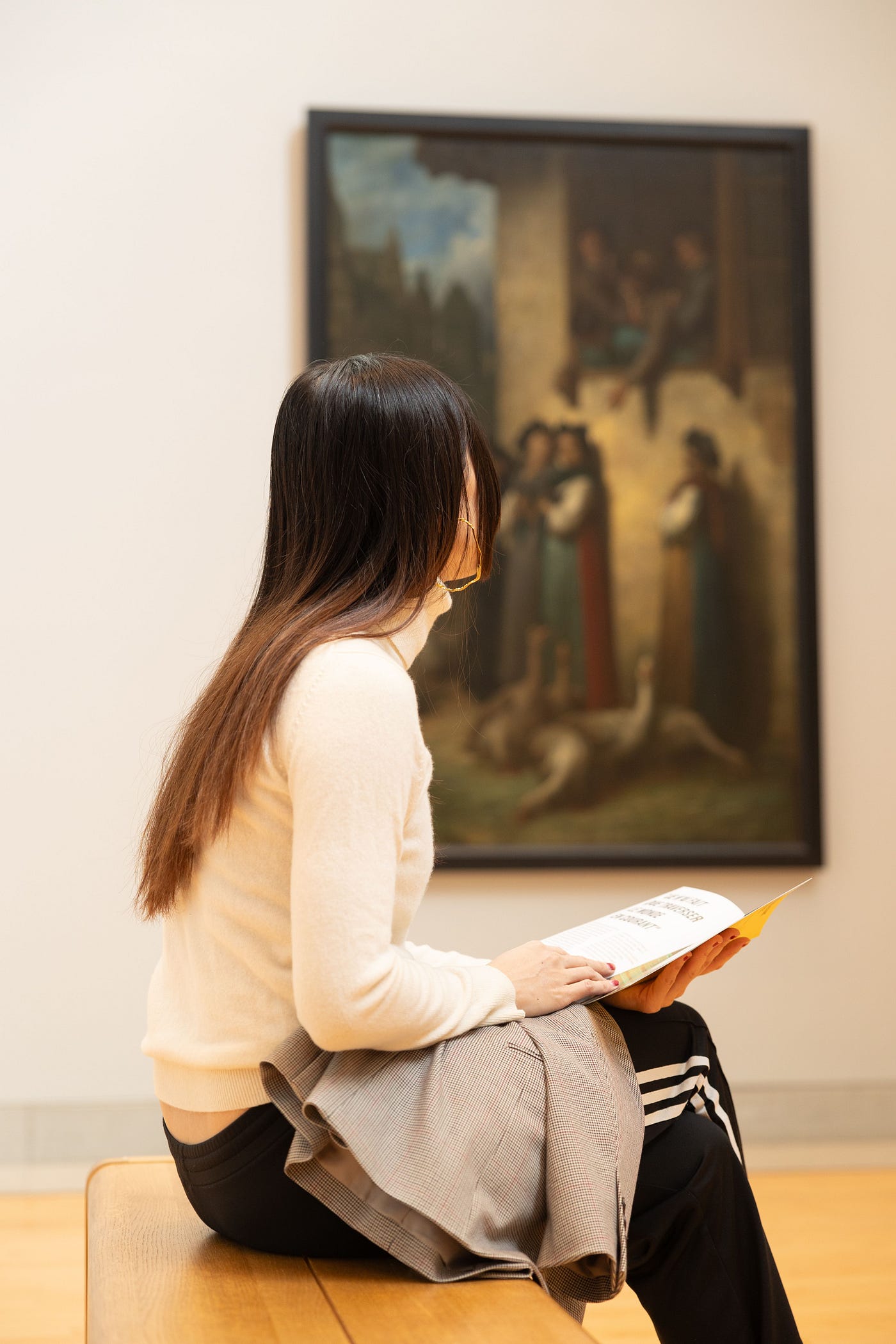
A woman sitting in a contemporary art gallery, observing a painting, holding a brochure. Image by Weijia MA
Make Art Part of the Journey
The best summer trips are often remembered through a combination of experiences: a street, a meal, a conversation, a building, a landscape, or an artwork that appeared at the right moment.
Museums can become part of that memory because they offer both destination and discovery. Visitors may arrive for a famous painting or major exhibition and leave thinking about an artist they had never encountered before.
The ten museums on this list offer different experiences. Some emphasize large historical collections, while others focus on contemporary art. Some invite close attention to painting and photography, while others expand into fashion, sculpture, gardens, animation, performance, and urban space.
What connects them is the opportunity to slow down and look.
This summer, visiting an art museum can be more than another stop on a travel schedule. It can become a way to understand a place, discover a creative practice, and return home seeing the everyday world with greater attention.
Ready to continue discovering art after your museum visit? Follow RevArt for contemporary artist stories, open calls, collecting guidance, exhibition insights, and new ways to connect with creative work.